
Uncategorized

Khalid Parekh: Inspiring The Next Generation Of Entrepreneurs
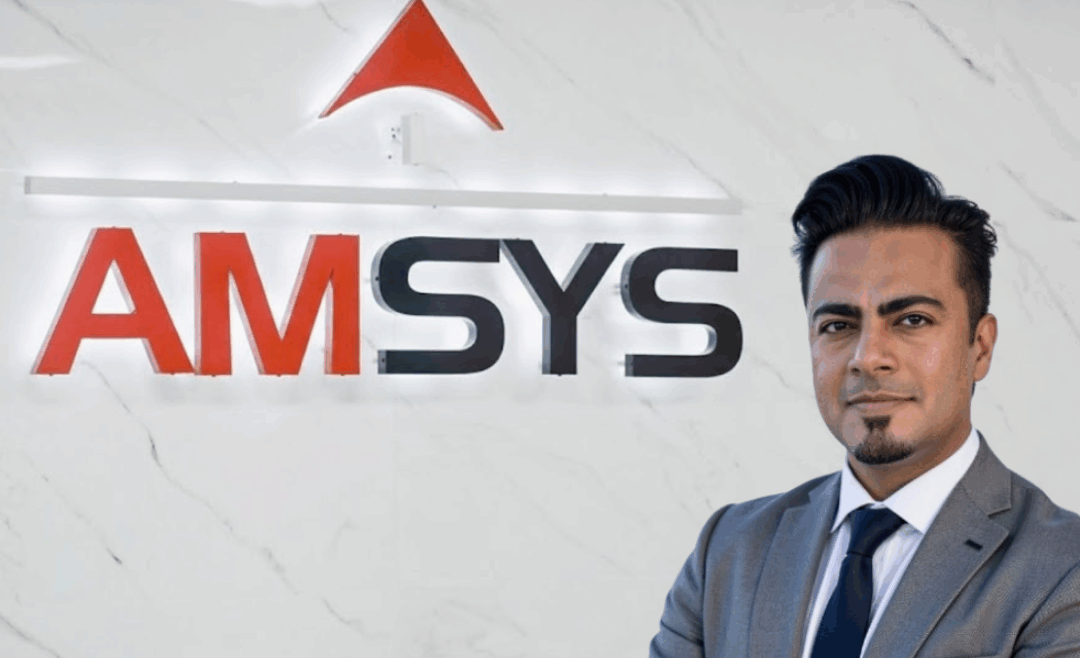
Khalid Parekh: Inspiring The Next Generation Of Entrepreneurs 1024 683 AMSYS ™ Group

Khalid Parekh is undoubtedly a role model for many business leaders and a trailblazer for the next generation. Contrasting many modern-day founders, Parekh, rather than chasing after the latest valuation craze or a trending sector, takes a steadier, more data-driven approach. Parekh’s story, starting from the U.S. with $100 to overseeing AMSYS Group’s operations in technology, capital, real estate, and energy, is a great testament to the interrelation between diversification, operational excellence, and technical skills.

Indeed, Parekh is a lesson in financial success, but for many, especially his peer group, entrepreneurs, he is a lesson in building a truly scalable and durable business. His focus more on cash management and dip in business stagnation, expanding proactively, as well as a longer-term focus on sustainability, rather than the traditional business model, makes him a guide to many who want more than just a business.

Lessons From a Self-Made EntrepreneurBuilding a business without heavy reliance on outside funding can preserve control and support steady growth. Expanding across multiple industries helps reduce exposure to market shifts, while turning personal interests into ventures can create meaningful opportunities. Adapting services over time, especially alongside technological change, remains essential for long-term relevance and success.

A Visionary Leader with a Powerful Origin Story

In 1998, when Khalid Parekh arrived in the United States from India with merely $100 to his name. He settled in Houston and began laying the groundwork for what would become his legacy. In 2002, he founded AMSYS. What started as a modest IT services firm was built on a foundational philosophy: solving complex technical problems with high-touch customer service. Parekh did not have the luxury of safety nets or angel investors. Instead, he relied on technical proficiency and an unrelenting work ethic. This origin story is not just about survival; it is about the aggressive pursuit of opportunity in a competitive market, converting limited resources into a scalable enterprise through sheer operational discipline.

Lessons from Khalid Parekh’s Entrepreneurial Journey

For aspiring entrepreneurs, dissecting Parekh’s methodology reveals a blueprint for  success. His rise was not accidental, it was the result of specific strategic pivots and a refusal to remain stagnant.

How does diversification stabilize a growing empire?

Many entrepreneurs fall into the trap of remaining hyper-specialized, which leaves them vulnerable to industry-specific downturns. Parekh took a different approach.

While AMSYS began strictly as an IT company, Parekh recognized that the skills required to manage technology infrastructure precision, project management, and capital allocation were transferable. He expanded the AMSYS Group into a holding company structure, branching out into sectors that, on the surface, seem unrelated:

  • Commercial Real Estate: Leveraging capital to acquire and develop physical assets.
  • Energy: Investing in the vital power sector.

This “conglomerate” approach allows the business to weather storms. If the real estate market cools, the steady recurring revenue from IT Managed Services (MSP) and cybersecurity contracts provides a financial buffer. For young entrepreneurs, the lesson is clear: once you master your core competency, look for adjacent or distinct verticals where you can deploy your capital and expertise to mitigate risk.

Khalid Parekh

Why is the bootstrapping model relevant today?

Raising capital is often celebrated as the ultimate victory. However, giving away equity early can hamstring a founder’s long-term control. Khalid Parekh utilized a bootstrapping approach, reinvesting early profits back into the company to fund expansion.

By avoiding heavy debt loads or dilutive venture capital funding in the early stages, Parekh maintained autonomy over his strategic direction. This allowed AMSYS to pivot quickly without needing board approval from external investors who might prioritize short-term returns over long-term stability. For the next generation, this underscores the value of generating revenue from day one. It suggests that customer-funded growth where sales fuel expansion remains one of the strongest business models available.

How do you scale from a service provider to a strategic partner?

In the early 2000s, IT was often viewed as a “break/fix” utility. You called the IT guy when the server went down. Parekh anticipated the shift toward Managed Services, where the provider proactively manages the client’s infrastructure.

Furthermore, as digital threats escalated, AMSYS expanded aggressively into cybersecurity. By positioning his company as a guardian of his clients’ data rather than just a fixer of their hardware, Parekh elevated the value proposition of his firm. Entrepreneurs should note this trajectory: successful scaling often involves moving up the value chain, solving increasingly critical and expensive problems for your clients.

Beyond the Boardroom: Philanthropy and Passion

What is the significance of the Prairie View Cricket Complex?

Parekh is a pivotal figure in the professionalization of cricket in the United States. His involvement goes beyond casual fandom; he is a key investor in Major League Cricket (MLC) and played an instrumental role in the development of the Prairie View Cricket Complex near Houston.

This facility is not merely a sports ground; it is a piece of national infrastructure that allows the U.S. to host international matches. This venture aligns with his business philosophy: identify an undervalued asset or market (cricket in the US), invest in the necessary infrastructure (the stadium), and nurture it into a profitable ecosystem. It demonstrates that “passion projects” can be executed with the same rigor and ambition as corporate ventures.

How does philanthropy integrate with business leadership?

True leadership involves lifting the community that supports you. Parekh has been recognized for his philanthropic efforts in the Houston area, supporting various charitable causes. This commitment to social responsibility enhances the corporate brand, but more importantly, it fosters a culture of empathy and service within the organization. For modern entrepreneurs, this signals that ethical leadership and community engagement are not optional add-ons but integral components of a sustainable corporate identity.

Defining a New Entrepreneurial Standard

Khalid Parekh’s journey from a $100 immigrant to a business mogul is a testament to the power of vision, ethics, and unrelenting drive. He proves that the American Dream is still attainable for those willing to execute with discipline. For the next generation of entrepreneurs, Parekh offers a clear blueprint: diversify your interests to protect your assets, bootstrap to maintain control, and never compromise on integrity. His story reminds us that where you start does not dictate where you finish, provided you are willing to do the work.

Frequently Asked Questions (FAQ)

What companies does Khalid Parekh own?

Khalid Parekh is the founder and Chairman of the AMSYS Group, which acts as a holding company for various subsidiaries including AMSYS Innovative Solutions, AMSYS Capital, and AMSYS Real Estate. 

What services does AMSYS provide?

AMSYS is a holding company with subsidiaries providing:

  • IT Managed Services and Cybersecurity
  • Commercial Real Estate Development
  • Energy Sector Investments

How did Khalid Parekh start his business?

Parekh started AMSYS in 2002 as a small IT firm in Houston. He utilized a bootstrap approach, reinvesting early profits back into the company to fund expansion into new sectors without heavy reliance on external debt.

Lessons in Leadership: What Startups Can Learn from Khalid Parekh
Lessons in Leadership: What Startups Can Learn from Khalid Parekh 1024 683 AMSYS ™ Group
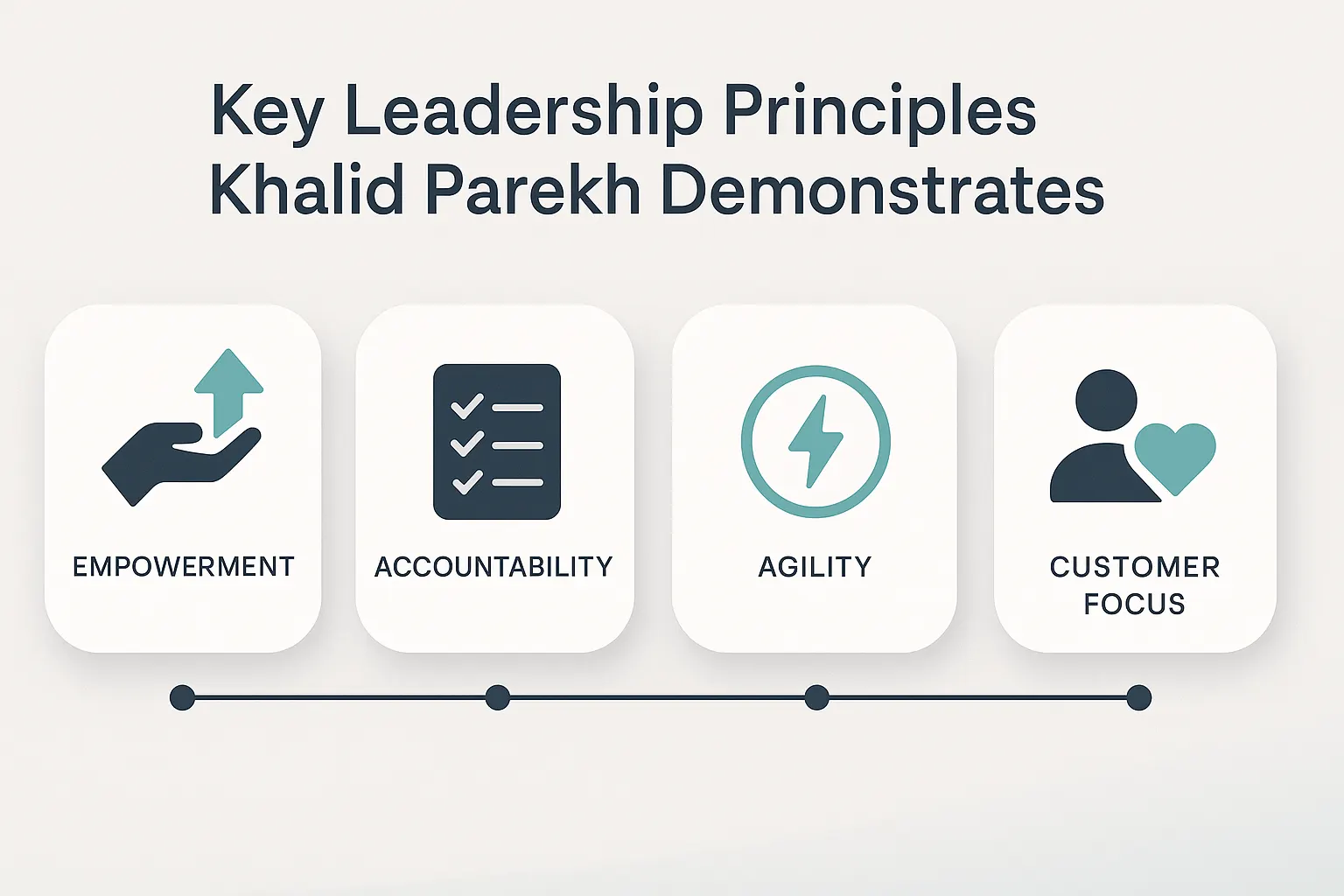
Leadership Lessons Startups Can Apply from Khalid ParekhKhalid Parekh’s leadership approach emphasizes trust, empowerment, agility, and customer-centric thinking, offering a practical roadmap for startups navigating rapid change. His ability to build resilient teams, adapt to evolving markets, and leverage innovation positions him as a model for modern founders. These lessons help startups strengthen culture, accelerate growth, and stay aligned with real customer needs.

Leadership is often the defining line between a startup that thrives and one that struggles to find its footing. There are only a few leaders who demonstrate how powerful it is to make daring decisions and think outside the box, and Khalid Parekh is one of them. His journey, from building companies from scratch to guiding teams through complex technological change, offers practical lessons that every founder can apply. Instead of relying on buzzwords, his leadership approach centers on empowerment, accountability, and adaptability in a fast-moving market. Let’s discuss the Khalid Parekh leadership principles that new entrepreneurs can borrow to grow stronger, smarter, and faster.

Leadership Principles

Understanding Khalid Parekh’s Leadership Philosophy

Building Teams That Can Scale

Khalid Parekh’s approach highlights that absolute scale begins with building teams that can take initiative and collaborate effectively. While resources may be limited, strong culture and clarity can turn small teams into high-performing ones.

Building Strong Teams Through Trust and Empowerment

For Parekh, trust is the engine of innovation. When people feel trusted, they are more confident in taking ownership of their roles and offering new ideas. Empowerment allows teams to explore solutions without fear of failure, which is vital for startups that must learn and pivot quickly.

Psychological safety plays an important role here. Teams are more likely to contribute openly when the environment encourages curiosity rather than punishment. By giving teams the freedom to experiment and learn, leaders strengthen collective resilience and accelerate problem-solving. This style of empowerment supports long-term stability, even during fast-changing phases of startup life.

The Role of Clear Communication in Early-Stage Companies

Clear communication ensures that everyone understands the mission, priorities, and expectations. Startups usually operate with limited time, so misalignment can be costly. Khalid Parekh encourages leaders to communicate consistently and transparently. This reduces confusion, avoids duplication of efforts, and helps teams stay focused on collective goals.

Direct, honest communication also supports a culture of accountability. When people understand why decisions are made, they feel more connected to the company’s purpose. This clarity becomes a powerful driver of momentum as teams move in the same direction with confidence.

Agility as a Leadership Advantage

Startups live in unpredictable environments where plans shift, customer needs evolve, and competition can appear quickly. Agility ensures that leaders and teams can respond swiftly, make fast decisions, and adjust strategies before obstacles become major setbacks.

Why Agility and Innovation Matter for Startup Growth

Khalid Parekh’s leadership in the global AI space also reinforces this belief. Recently, he was selected to join the NVIDIA Global AI Partner Advisory Board. This role reflects his deep involvement in shaping the future of intelligent technology and guiding businesses toward smarter, AI-driven solutions.

Agility also supports rapid learning. Startups that test ideas quickly can gather insights, refine assumptions, and move forward without wasting time and resources. This increase in learning speed gives them an advantage in crowded markets.

Adapting to Market Shifts With Confidence

Parekh also emphasizes the importance of data-informed decisions. Leaders who stay close to their metrics gain a clearer understanding of customer behavior, performance trends, and operational challenges. This makes it easier to pivot when needed and stay ahead of disruptions.

Adaptability strengthens resilience. Whether adjusting a product roadmap, changing marketing direction, or rethinking revenue models, being flexible allows startups to remain competitive. With this mindset, obstacles become opportunities for reinvention and growth.

Customer-Focused Leadership for Competitive Advantage

Customer-centric thinking is central to Khalid Parekh’s leadership approach. He believes that successful companies solve real problems, not assumed ones. For startups, this perspective is transformative because early customer experiences can shape brand reputation and long-term loyalty.

Customer-Centric Decision-Making 

A customer-first mindset helps startups design products and services that truly meet user needs. This requires paying close attention to feedback and integrating it into decision-making. By prioritizing customer value over internal convenience, startups build stronger relationships and earn greater trust in the market.

This approach also supports faster innovation. When teams understand what customers want, they can prioritize features more effectively and avoid investing in unnecessary ideas. This increases efficiency and strengthens product-market fit.

Turning Customer Problems into Growth Opportunities

Khalid Parekh views customer challenges as opportunities to innovate. Every complaint or request reveals insight into what the market wants next. By treating customer pain points as strategic inputs, startups can refine their roadmaps and improve user experience.

This mindset leads to stronger retention and more referral growth. Companies that listen carefully often build deeper trust because customers feel heard and understood.

Final Thoughts

Khalid Parekh’s leadership journey offers powerful insights for startups seeking clarity, strength, and strategic direction. His emphasis on trust, empowerment, agility, and customer focus provides a practical blueprint for sustainable success. By adopting these principles, founders can build stronger teams, innovate continuously, and stay closely aligned with customer needs. When leadership is rooted in authenticity and purpose, startups gain the resilience and momentum they need to grow with confidence and vision.

Explore Khalid Parekh’s latest work and learn how his vision is transforming the future of technology and entrepreneurship.

AMSYS CEO Khalid Parekh Appointed to NVIDIA Global Enterprise AI Partner Advisory Board
AMSYS CEO Khalid Parekh Appointed to NVIDIA Global Enterprise AI Partner Advisory Board 1024 683 AMSYS ™ Group

Houston, TX – AMSYS Innovative Solutions is proud to announce that its Founder, Chairman, and CEO, Khalid Parekh (KP), has been named a Founding Member of the NVIDIA Global Enterprise AI Partner Advisory Board. This distinguished appointment places Mr Parekh among a select group of global executives who will collaborate with NVIDIA to help shape the strategic direction of enterprise AI.

Headquartered in Houston, Texas, AMSYS Innovative Solutions is a global technology solutions provider specializing in Managed IT Services, Cybersecurity, AI, Cloud, AV, and Smart Infrastructure. With over 22 years of innovation and a 97% customer retention rate, AMSYS serves Fortune 500 companies, government entities, and enterprises worldwide. Post this collaboration, AMSYS is poised to further advance cutting-edge AI solutions and accelerate digital transformation for its clients.

In Khalid Parekh’s words, “Joining the NVIDIA Partner Advisory Board is both an honor and a responsibility to help accelerate innovation and unlock the transformative potential of AI for enterprises worldwide, and at AMSYS, we remain deeply committed to driving digital transformation for our clients, and this collaboration will further enhance our ability to contribute to the global AI ecosystem.” In this role, he will provide guidance on partner strategy, innovation initiatives, and large-scale enterprise adoption of advanced AI technologies.

Ken Parekh – Amsys – Texas Business Radio
Ken Parekh – Amsys – Texas Business Radio 368 194 AMSYS ™ Group

Ken Parekh, President & CEO of Amsys, talks with Matt Register and Jay W. Curry, Hosts of “Texas Business Radio,” about how to protect businesses from cyber criminals and hackers.
Texas Business Radio is a business news and information talk show focused on the middle market and can be heard on KPRC AM 950 in Houston, 1200AM WOAI in San Antonio, Talk Radio 1370, iHeartRadio, and iTunes.
texasbusinessradio.com
Call the 24-hour answer line at 844-814-8144 or use hashtag #TRB on Twitter